WHY WE EXIST
A tradition can disappear
in one generation.
Young people cannot carry forward a tradition they never have the chance to experience.
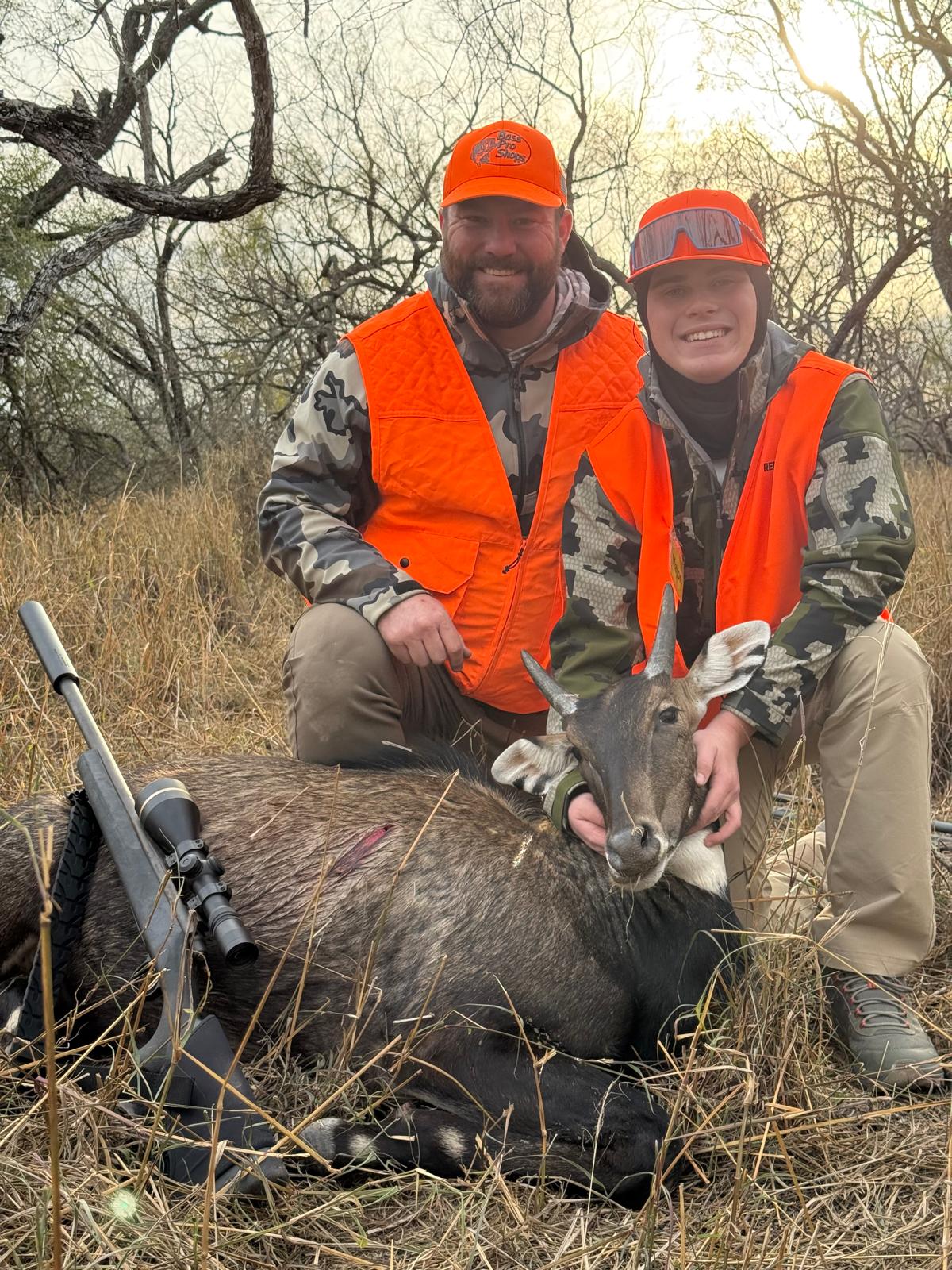
Closing the gap
For generations, many young hunters found their way outdoors through a parent, grandparent, relative, or family friend. Someone made room in the truck, explained what to bring, corrected a mistake, and showed them how to behave on another person’s land. That relationship offered more than access to a hunt. It gave a young person a patient guide and a place to begin.
That path is no longer available to every family. A young person may be interested in hunting but have no experienced adult to teach them, no equipment to borrow, and no connection to a ranch where they can learn responsibly. A parent may want to encourage that interest while having no hunting background of their own. Without a trustworthy starting point, curiosity can remain only curiosity.
In South Texas, access carries particular weight. Time in the field often depends on the generosity and confidence of landowners who have spent years caring for their property and wildlife. A gate cannot simply be opened without preparation, clear expectations, and respect for the work behind it. Young people need to understand that an invitation onto a ranch is a privilege built on trust.
STHHF exists to help rebuild that path from interest to responsible experience.
A clear way into the outdoors
A first opportunity should begin well before the morning of a hunt. Young people need time to become familiar with safety expectations, equipment, wildlife, ranch rules, and the decisions they may face in the field. They should be able to ask questions without embarrassment and practice good habits before those habits carry real consequences.
That preparation is especially important in South Texas. Heat, thornscrub, changing weather, unfamiliar ranch roads, and long distances from town all reward patience and good judgment. Learning how to prepare, stay aware, listen closely, and respect boundaries is part of learning how to hunt.
The path includes practical skills as well as the standards behind them. Select an item to learn more.
What young people learn
Why mentorship matters
Information can explain a rule, but a mentor can show a young person how that rule applies when conditions change. An experienced adult can explain why a shot should be passed, how to respond when an animal does not behave as expected, or why taking care of a gate, a blind, or a piece of borrowed equipment matters.
A good mentor also gives a young person permission to learn gradually. There does not need to be pressure to know everything or to take a shot. The lesson may be how to sit quietly, identify an animal correctly, notice a shift in the wind, or recognize that the responsible choice is to wait. Those moments build confidence because they connect knowledge with real judgment.
For families without an outdoor tradition of their own, mentorship can provide a safe and welcoming introduction. For families already connected to hunting, it can reinforce the values they want the next generation to carry forward.
Responsible stewards
The purpose is larger than creating more hunters. South Texas needs people who understand the relationship between wildlife, habitat, landowners, and responsible hunting. A healthy hunting tradition depends on people who care about what happens to the land throughout the year, not only during a season.
That responsibility appears in ordinary choices: arriving prepared, following a landowner’s rules, knowing when not to take a shot, recovering and using an animal properly, caring for shared equipment, closing gates, removing trash, and leaving a place better than it was found. These actions show whether someone understands the privilege they have been given.
When young people learn those standards from the beginning, they can become thoughtful hunters, dependable guests, conservation-minded citizens, and future mentors. That is how an outdoor tradition remains worthy of being passed on.
Help Pass It On