SOUTH TEXASHUNTING HERITAGEFOUNDATIONSupport the Mission ↗
Home

OUR PROGRAMS

A place to begin.
A lifetime to grow.

Four ways for young people and families to learn on South Texas ranches - from first-hunt preparation to habitat work, field skills, and time around camp.

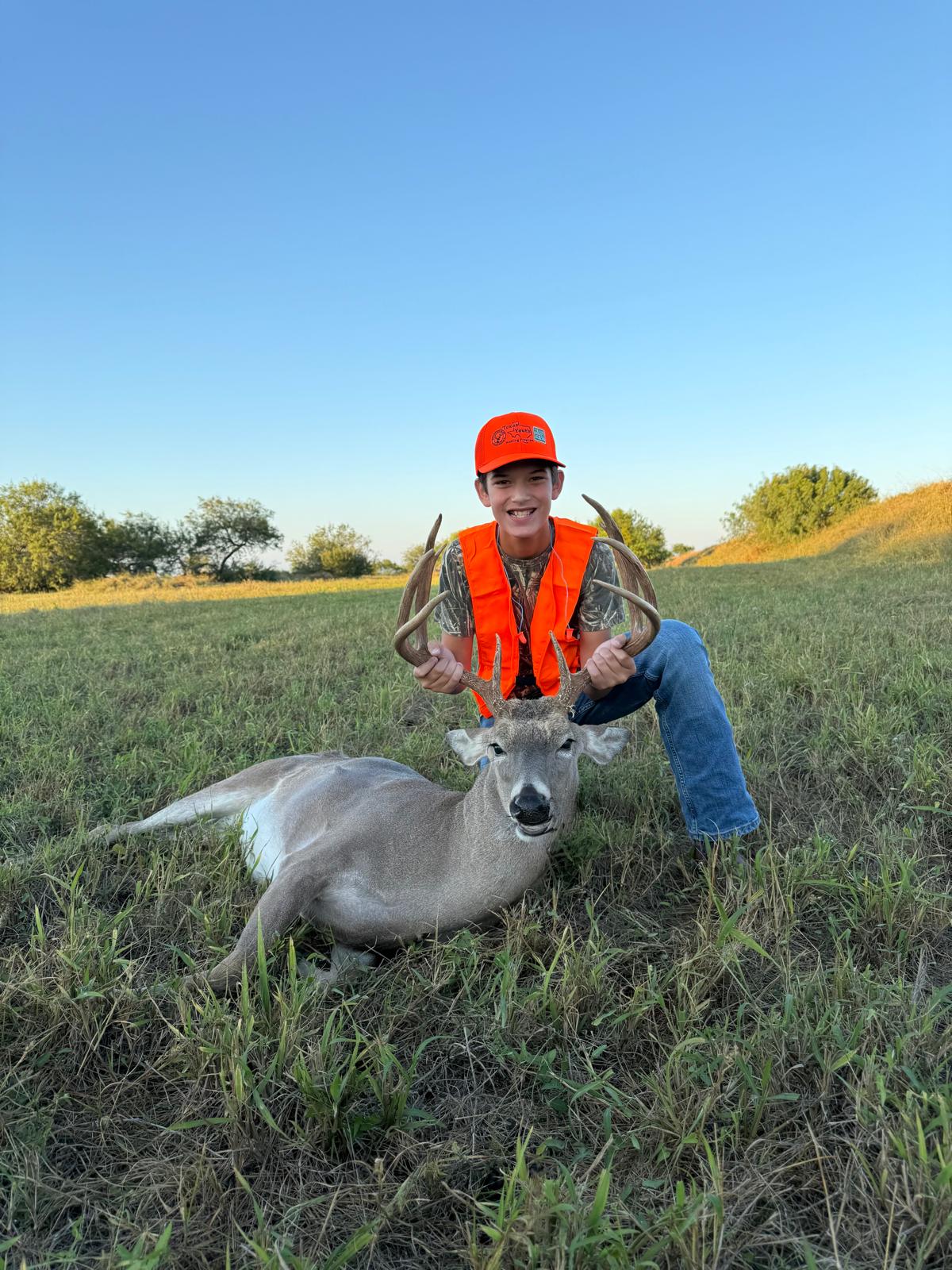
A smiling young hunter with a harvested whitetail buck in a grassy field
An experience to carry forward.

01 / LEGACY HUNT

A first hunt can become
a lifelong legacy.

Plenty of young people in South Texas grow up near hunting culture without having a safe way into it. They may not have access to a ranch, the right equipment, or an experienced adult who has the time to teach them. The Legacy Hunt is designed to provide that first responsible opportunity.

Before a participant enters the field, a mentor covers safe firearm handling, shot placement, wildlife identification, ranch rules, and what to expect during a long morning in the blind. When a suitable whitetail or hog opportunity is available through a ranch partner, the young hunter is matched with an experienced mentor who stays with them through the entire process.

In the field, the pace is set by safety, animal behavior, weather, and the landowner’s rules - not by pressure to take a shot. If the hunt results in a harvest, the lesson continues through tracking, recovery, field care, and responsible use of the animal. If no shot is taken, the time spent observing wildlife and learning from a mentor still has value.

Nominate a Young Hunter

The journey

  1. 01Prepare
  2. 02Mentor
  3. 03Hunt
  4. 04Recover
  5. 05Reflect
  6. 06Continue
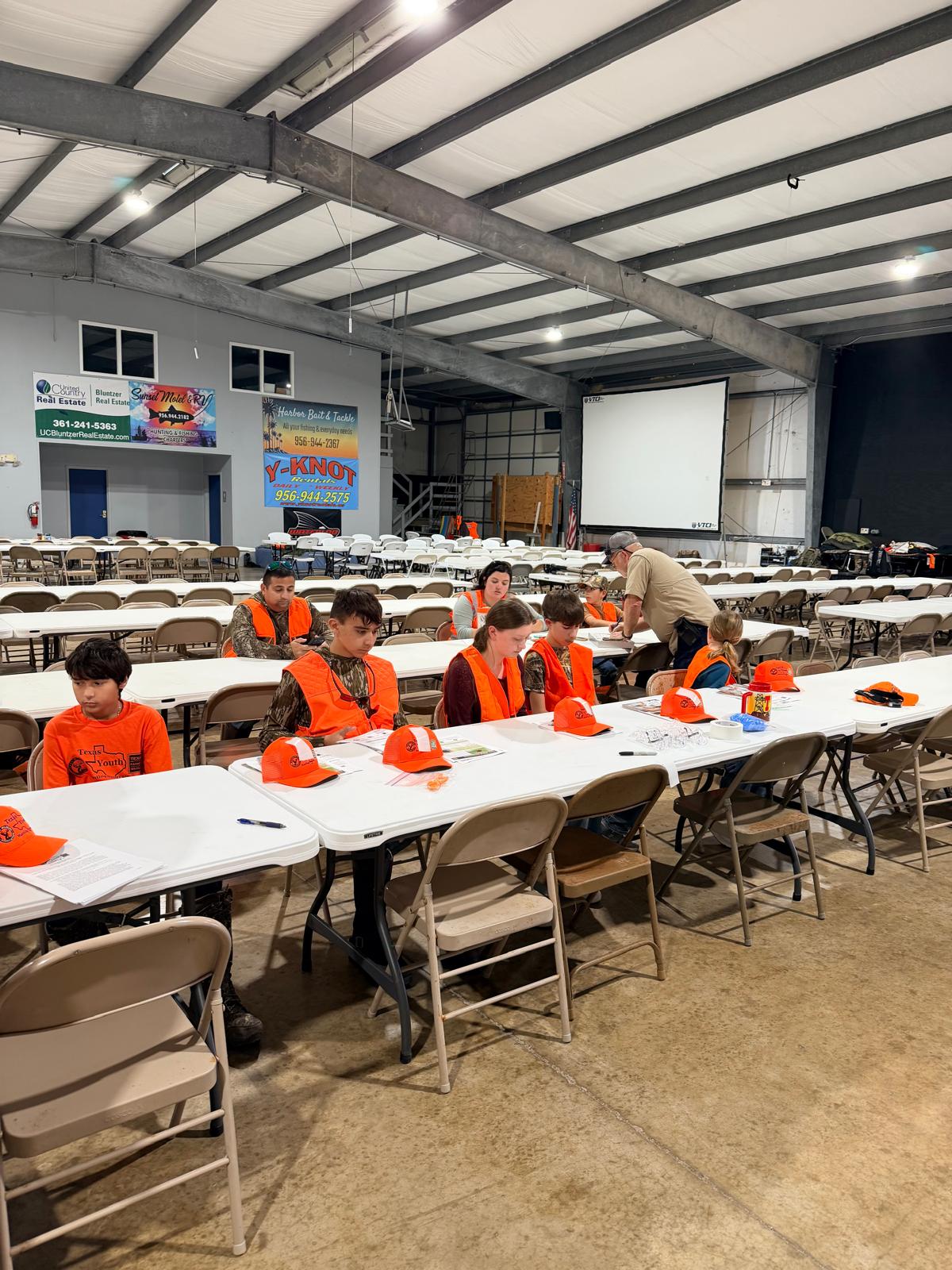
Young people and adults reviewing materials at tables before a hunt
Preparation is part of the experience.

02 / HUNTER FOUNDATIONS CAMP

Build a foundation
before entering the field.

South Texas conditions leave little room for being unprepared. Heat can build quickly, thornscrub can limit visibility, and unfamiliar ground can become confusing once a person leaves the road. Young people need more than a list of rules; they need a place to practice good habits and ask questions before those decisions carry real weight.

Hunter Foundations Camp is designed as that starting point. With clear instruction and hands-on stations, participants can become familiar with equipment, wildlife, tracks, field awareness, and the ethics expected on a ranch. The goal is steady confidence: knowing how to listen, how to handle equipment responsibly, and when to stop and ask for help.

Join the Interest List

Topics can include

HUNTER FOUNDATIONS CAMP

Firearm safety

Build an understanding of safe handling, awareness of surroundings, and the responsibility that comes with being around firearms. Mentor-led learning emphasizes following instructions, respecting safety boundaries, and asking questions whenever something is unclear.

HUNTER FOUNDATIONS CAMP

Archery

Explore archery equipment, range etiquette, and the focus and patience the sport requires. Guided practice introduces participants to a new outdoor skill while keeping safety and respect for others at the center of the experience.

HUNTER FOUNDATIONS CAMP

Wildlife identification

Learn to recognize wildlife through appearance, tracks, sounds, and other signs. Understanding native species and their habits helps young people observe more carefully and appreciate the variety of life around them.

HUNTER FOUNDATIONS CAMP

Tracking

Discover how tracks and other field signs tell a story about an animal’s movements. This topic develops observation, patience, and respect for wildlife while introducing the role tracking plays in responsible hunting and recovery.

HUNTER FOUNDATIONS CAMP

Outdoor survival

Explore preparation for time outdoors, including awareness of weather, basic needs, and what to do when plans change. The emphasis is on staying with the group, communicating with trusted adults, and making calm, responsible decisions.

HUNTER FOUNDATIONS CAMP

Field skills

Become familiar with the practical habits that help an outing run smoothly: preparing equipment, observing surroundings, moving thoughtfully through the landscape, and respecting ranch rules. These skills build confidence and consideration for the land and other people.

HUNTER FOUNDATIONS CAMP

Hunting ethics

Consider the decisions that define a responsible hunter, including respect for wildlife, landowners, and fellow hunters. Mentors help participants understand that good judgment includes knowing when to pass on an opportunity and taking responsibility for their choices.

HUNTER FOUNDATIONS CAMP

Conservation

Explore the connections between wildlife, habitat, water, and responsible land management. Young people learn why caring for these resources matters and how thoughtful stewardship helps sustain outdoor opportunities for future generations.

03 / CONSERVATION STEWARDSHIP DAYS

Hunting begins long before
opening morning.

A healthy South Texas ranch reflects work that happens all year: checking water, watching range conditions, maintaining equipment, protecting useful native vegetation, and paying attention to what wildlife is doing. Stewardship Days let young people see that work up close instead of treating conservation as an abstract idea.

Each day can be shaped around the needs of the property and the season. Youth may work beside landowners, mentors, and volunteers on a practical task, then learn why it matters to the ranch as a whole. They also learn the habits expected of any good guest: close gates, follow directions, care for equipment, pick up after yourself, and leave the place in better condition than you found it.

Volunteer for a Stewardship Day

Activities may include

CONSERVATION STEWARDSHIP DAYS

Habitat improvement

Take part in practical projects that support food, cover, and healthy spaces for wildlife. Activities are selected with landowners and mentors so young people can see how thoughtful work on the land contributes to the larger habitat.

CONSERVATION STEWARDSHIP DAYS

Feeders

Learn how feeders may be placed, checked, and maintained as one part of a broader wildlife-management approach. Mentors can explain their purpose while emphasizing cleanliness, careful observation, and the importance of healthy natural habitat.

CONSERVATION STEWARDSHIP DAYS

Blinds

Explore how hunting blinds are positioned, inspected, and prepared with safety, visibility, and minimal disturbance in mind. Participants also learn to leave the area orderly and respect the ranch’s equipment and routines.

CONSERVATION STEWARDSHIP DAYS

Water resources

See how dependable water supports wildlife and the surrounding habitat. Young people may help observe or maintain appropriate water sources while learning about conservation, seasonal conditions, and responsible use.

CONSERVATION STEWARDSHIP DAYS

Native vegetation

Identify native plants and learn how they provide food, shelter, and nesting cover for wildlife. Hands-on activities can show why protecting plant diversity and managing invasive growth matter to a healthy South Texas landscape.

CONSERVATION STEWARDSHIP DAYS

Wildlife observation

Practice noticing animals, tracks, movement, and other field signs through patient observation. Participants learn to record what they see, ask thoughtful questions, and understand how observations can inform responsible land and wildlife management.

CONSERVATION STEWARDSHIP DAYS

Ranch stewardship

Learn the everyday habits of being a responsible guest and caretaker on working land: following ranch rules, respecting gates and fences, caring for shared equipment, removing trash, and leaving each place better than it was found.

04 / FAMILY HERITAGE WEEKEND

Traditions are better
when shared.

Hunting traditions are rarely passed down in a formal lesson. They take shape while preparing a meal, cleaning equipment, listening to an older hunter explain a mistake, or waiting quietly to see what steps out of the brush. Those ordinary moments are where skills, stories, and standards move from one generation to the next.

Family Heritage Weekend is designed to make room for that kind of learning. Parents, guardians, siblings, mentors, and young people can spend time together around practical outdoor activities suited to the location, weather, and group. The focus is simple: give families a useful, welcoming experience of South Texas hunting culture and help them leave with something they can continue together.
Bring Your Family

Potential elements

FAMILY HERITAGE WEEKEND

Outdoor cooking

Gather around a shared meal while learning practical outdoor food preparation, cleanliness, and fire or equipment safety. Cooking together creates space for families and mentors to exchange knowledge and enjoy the traditions surrounding camp.

FAMILY HERITAGE WEEKEND

Shooting sports

Experience a structured, safety-first introduction to shooting activities appropriate to the event and participant. Clear instruction, careful supervision, range etiquette, and respect for every piece of equipment remain central throughout the experience.

FAMILY HERITAGE WEEKEND

Wildlife education

Discover South Texas wildlife, the habitats animals depend on, and the signs they leave behind. Families can learn together through observation, identification activities, and conversations about responsible wildlife management.

FAMILY HERITAGE WEEKEND

Campfire storytelling

Share stories, lessons, and memories that connect one generation of outdoorsmen and women with the next. The emphasis is on listening, belonging, and understanding the values behind South Texas hunting and ranch traditions.

FAMILY HERITAGE WEEKEND

Mentor demonstrations

Watch experienced mentors demonstrate outdoor skills, equipment care, field practices, or conservation work. Participants have room to ask questions and understand both how a task is done and why responsible habits matter.

FAMILY HERITAGE WEEKEND

Family activities

Take part in approachable outdoor activities designed to help family members learn, cooperate, and build confidence together. Specific activities can reflect the setting, age group, weather, and opportunities available for the weekend.

FAMILY HERITAGE WEEKEND

Conservation education

Explore how wildlife, water, vegetation, landowners, and hunters are connected. Families learn why stewardship is shared work and how everyday choices can help protect outdoor opportunities for future generations.